





All Categories

Cat
Catnip
Cat Feeding Tools
Automatic Cat Feeders
Cat Medicine Feeder
Cat Food Bowl
Cat Dress | Bed | House
Cat Dress
Cat Beds
Cat House
Cat Care & Health
Bioline Product
Himalayan Product
Cat Wipes
Cat Bathing
Ear Care
Eye Care
Ear Mite Treatments
Cat Vitamins & Supplement
Antifungal and Antibacterial Solutions
Cat Perfume
Cat Shampoo
Cat Tick & Flea Controls
Cat Flea & Tick Treatments
Cat Flea & Tick Soap
Cat Flea & Tick Powder
Cat Flea & Tick Shampoo
Cat Tick & Flea Spray
Cat Spot On
Cat Deworming Medicine
Milk Replacer
Cat Accessories
Cat Sunglass
Cat Grass
Cat Training
Hair Remover
Cat Water Fountains
Hair Comb - Flea Comb
Cat Grooming
Cat Trimmers & Clippers
Cat Carrier
Nail Cutter
Cat Harness
Cat Collar
Toys
Cat Tunnels Toys
Cat Tower Toys
Catnip Toys
Cat Toys
Cat Medicine
Cat Food
Premium Cat Food
Cat Pouches
Treats
Dry Cat Treats
Cat Treats
Cat Can Food
Wet Cat Food
Health Care Cat Food
Gastrointestinal Cat Food
Veterinary Diets | Prescription Diet Cat Food
Kideny Care Cat Food
Urinary Care Cat Food
Hairfall Control Cat Food
Hair And Skin Care Cat Food
Grain Free Cat Food
Repack Cat Food
Kitten Zone
Kitten Milk Feeder
Kitten Litter Box
Kitten Toys
Kitten Wet Cat Food
Kitten Dry Food
Kitten Milk Replacers
Adult Dry Cat Food
Cat Furniture
Cat Trees
Cat Scratching Posts
Cat Scratcher Board
Litter & Accessories
Cat Litter
Cat Litter Deodorizer
Tofu Cat Litter
Cat Litter Mats
Cat Litter Scoop
Cat Litter Box

Pharmacy
Pet Pharmacy
Pet Medicine
Veterinary Medicine

Rabbit
Rabbit Cages
Rabbit Food

Small Pet Food
Rat & Mouse Food
Guinea Pig food
Hamster Food
Reptile Food
Turtle Food
Fish Food

Small Pet Cages
Rat Cages
Mouse Cages
Guinea Pig Cages
Agro Care Products
Animal Health Products
Agro Care
Agriculture
Aqua
Poultry
Cattle

Bird
Bird Cage
Bird Toys
Bird Handfeeding Formula
Bird Egg Food
Bird Medicine
Bird Food

Dog
Dog Chew Item
Dog Trimmers & Clippers
Dog Training
Dog Accessories
Dog Muzzles
Dog Nail Cutter
Dog Grooming
Dog Food Bowl
Dog Belt
Dog Harness
Dog Collar
Dog Treats
Dog Toy
Dog Shampoo
Dog Care & Health
Dog Multivitamins & Supplements
Dog Tick & Flea Solution
Dog Deworming Medicine
Dog Medicine
Puppy Food
Dog Food

Shop by Brand
Pet Metro
Himalaya
Lazy Lady
Mystic
Cuties Catz
Me-O
BlackSand
Daily Nature
Bellotta
Bioline
Purina ONE
MaxPet
bonacibo
Bonnie
Pure Pet
Test 1
Spectrum
Smart Cat
Gerry Pet
Proline
Cango
Royalist
Whiskas
Nekko
Kitchen Flavor
Reflex Plus
ACI
NatureBridge
zoi
Lola & Co, Pramy
Voskes
ACME
Enrich
Drools
Toro Toro
Micho
Pedigree
Chonk
Golden Cat Litter
Emily Pets
prodiet
Truly
Cature
PrimaCat
Paws Cat Litter
Bona Meow
Versele Laga
Oskies
Petslife
quick
Smart Heart
Smile
Lola & Co
Pramy
Paw Paw
Billi
Cat Club
Internutri
L Favourite Cat Litter
Royal Canin
Meow Meow
Jungle
Mito
CatSure
Hill's Prescription Diet Cat Food
cat star
Wanpy
Haisenpet
Optima Bentonite
Temptations
Yeasir Brand
NEXTSTAR
Trendline
Felix
Summit10
DR.PETZ
Purina
FRONTLINE
Enjoy
Bengal
Clean Plus
Kit Cat
purina friskies
Kaniva
Cozicat
Felicia
Cats Way
Sheba
Sky Ec
Taiyo
Lara
Coziecat
Sancky
Blog
Branches
Contact Us
How Much Dry Food Should I Feed My Cat?
Keeping our cats happy and healthy is our priority as cat owners. And giving our cats the proper amount of food can be challenging, particularly if you have a cat who is fussy or constantly hungry. However, there is no easy way to determine how much food your cat requires. It can be tricky to figure out how much food your cat requires each day, whether you're new to cat ownership or you've changed the food it eats. After all, every cat is unique. Nonetheless, there are some guidelines you can follow. If you are wondering “how much dry food should I feed my cat” – this article is here to answer all your questions!
Components of Ideal Cat Food
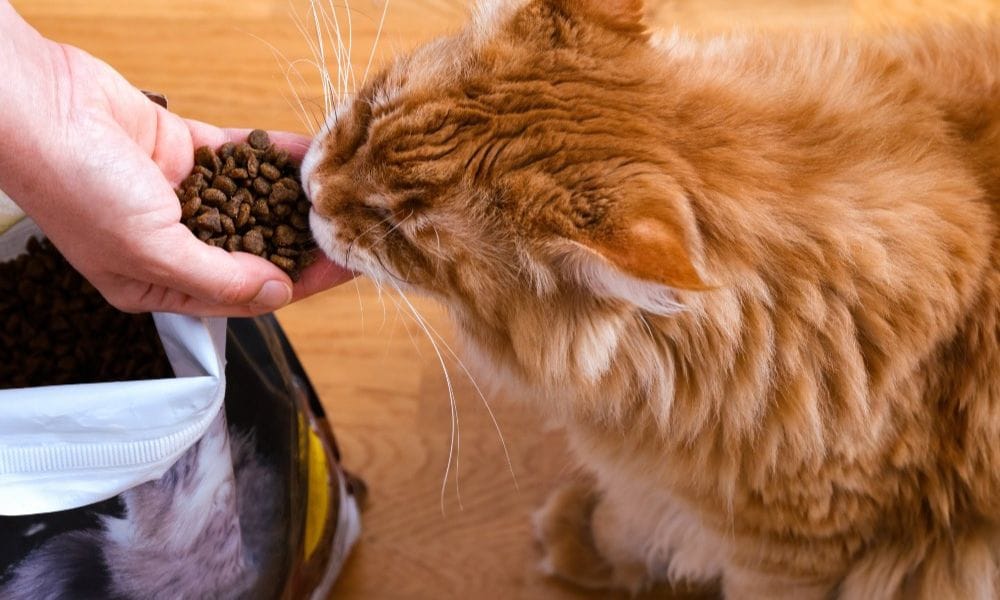
The six basic nutrient groups—proteins, fats and oils, minerals, vitamins, carbs, and water—should be properly balanced in the diet you feed your cat. Any high-quality cat food should supply this fundamental nutritional balance. Never forget to check to see if your cat is allergic to any specific ingredients and steer clear of cat meals that contain them.
There are three different textures of cat food: dry, moist, and canned or wet. Dry cat food, often known as kibble, is a tough, crunchy treat. Although it is frequently the least expensive choice, picky eaters, like many cats, may reject it. There are flavors of shellfish, lamb, beef, and poultry that are dry, wet, and moist. Also, there are combos like lamb and beef or lamb and chicken.
Brit Cat Food, Versele Laga Lara Cat Food, Drools Cat Food, Reflex Plus Cat Food, Me-O Cat Treats, Smart Heart Cat Food, and other brands are among the many cat food options on the market. If you run out of cat food, make sure you know what to feed your cat instead. Cat food of the highest caliber is inexpensive at Pet Zone BD!
How Much Dry Food Should I Feed My Cat?
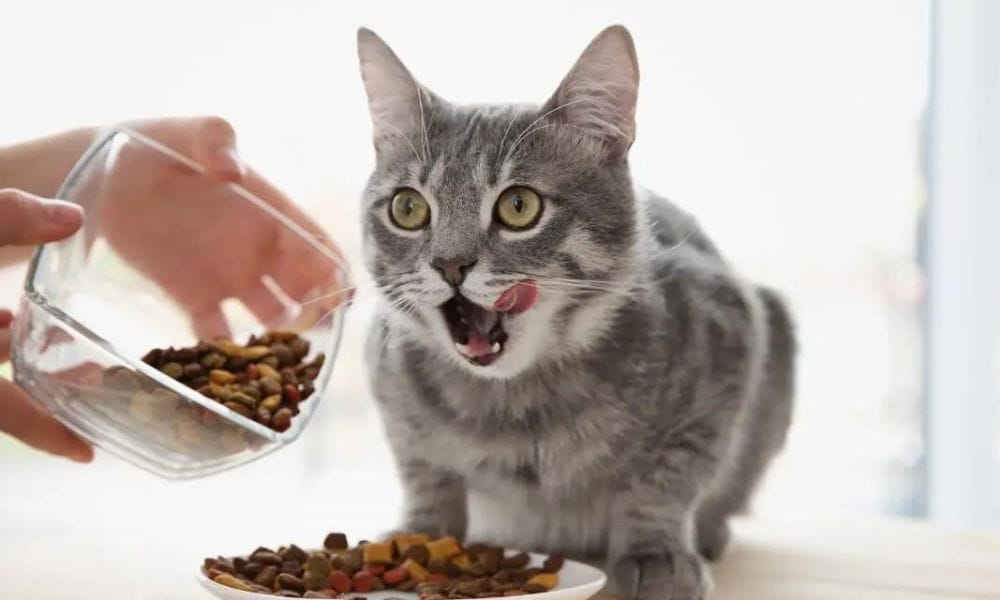
A cat's ideal daily food intake depends on several factors. Most veterinarians agree on the general recommendation of 1/3 to 1/2 cups of kibble, wet food, or a combination of the two. This should typically be the appropriate range for an indoor cat. But, unless you have a smaller breed cat or one who isn't particularly active, less than this, like as low as 1/4 cup of food, is usually not enough for the ordinary adult cat.
The recommended serving size for a typical, healthy 9-pound cat is around half a cup of dry food (ballpark 350 kcal per cup). Because every animal is unique, you should pay close attention to your cat's physical condition and adjust the amount of food it receives to keep it at a regular, healthy weight.
Factors You Should Consider While Determining the Amount of Cat Food
Even if your cat seems healthy, you should try to take them to the doctor once a year for a checkup. Your veterinarian will be able to determine your cat's weight at this checkup and go over any nutritional adjustments that might be required.
Let's now look at some of the factors to consider when determining how much to feed your cat.
- Size: Perhaps it should be clear, but cats with larger bodies will require slightly more food than cats with smaller, more delicate structures. Please take note that just because your cat is bigger doesn't mean you should overfeed them!
- Age: To meet their unique nutritional requirements, cats of different ages will require varied amounts of food. Growing, active kittens will require more food. Older, less active cats won't require as much food because they use less energy.
- Health Conditions and Restrictions: Your cat's food requirements will differ from those of a typical adult cat if it has diabetes, is pregt or is nursing, for example. A cat that is pregt may require up to twice as much food as usual. A nursing cat may consume up to four times as much food as usual. Keep in mind that cats do not eat purely for enjoyment. It is done to make sure they receive all the necessary nutrients and maintain the proper amount of fluid and electrolytes in their bodies. Even though your cat may beg for treats, it's important to provide them with a nutritious, well-balanced diet. particularly if they have a medical issue.
- Spayed vs Neutered: Cats who have been spayed or neutered are likewise more likely to gain weight than cats who have not undergone the treatment. Thus, it's best to avoid "free feeding" if your cat has undergone neutering or spaying because it could lead to overeating and weight gain. Your veterinarian can guide how to modify your cat's diet if necessary if you intend to spay or neuter your cat.
- Breed: Some cat breeds are more prone to become fat than others, even though the breed is not thought to be a direct risk factor and there are no known genetic reasons for obesity to occur more frequently in some cat breeds than others.
- Indoor vs Outdoor Cat: Whether your cat lives indoors or outdoors is another crucial consideration. In general, cats who spend most of their time indoors will be less active and use less energy to maintain their body temperature. Cats with free roaming rights, on the other hand, typically use a lot more energy since they are more active for longer periods. Cats who live outside typically have a better job managing their weight.
Don't overfeed or underfeed an outdoor cat; both are harmful. Outdoor cats frequently catch and consume smaller creatures, typically birds or rodents, to gain extra energy.
Always ask your veterinarian for advice on how to feed your cat for its specific condition because they can determine its unique demands.
Conclusion
Carefully consider the factors mentioned above before determining how much dry food you should feed your cat. Consult your trusted veterinarian before deciding on the food and amount. Finally, visit Pet Zone BD for the best quality dry cat foods at the most affordable prices!

Join our newsletter
We’ll send you a nice letter once per week. No spam.
Join our newsletter

Pet Zone BD is an online pet shop in Dhaka providing your loving pets with their favourite foods and other accessories. We home deliver your pet food so you can receive from your doorstep.
Get the app



Cat
Dog
Others
Phone
+8801941-320355
petzonebd@gmail.com
Office
Gulshan Link Road, Badda Hossian Market, Dhaka - 1212
© 2024 PetzoneBD. All rights reserved.
Your Cart
Your cart is empty
Add some food
Have a special code?
0 Items
0 TK
0 Items
0 TK
Home

Deals
Cart
Categories
Profile